 Grey Folio
The Miso Problem
Every time doenjang appears on an English-language menu, someone reaches for the same shortcut: “It’s like miso.” It’s not wrong, exactly. Both are fermented soybean pastes. Both are dark, pungent, and deeply savory. But the comparison flattens something important — doenjang is older, wilder, and considerably more complex than its Japanese counterpart. Calling it Korean miso is a starting point, not a description.
What Doenjang Actually Is
Doenjang begins with meju — blocks of cooked soybeans, shaped and left to ferment in open air for weeks. This is wild fermentation: no controlled starter, no single-strain inoculant. Whatever molds, yeasts, and bacteria exist in the environment take hold. The resulting meju blocks are then submerged in brine, left to age, and eventually separated. The liquid becomes ganjang — Korean soy sauce. The solids become doenjang.
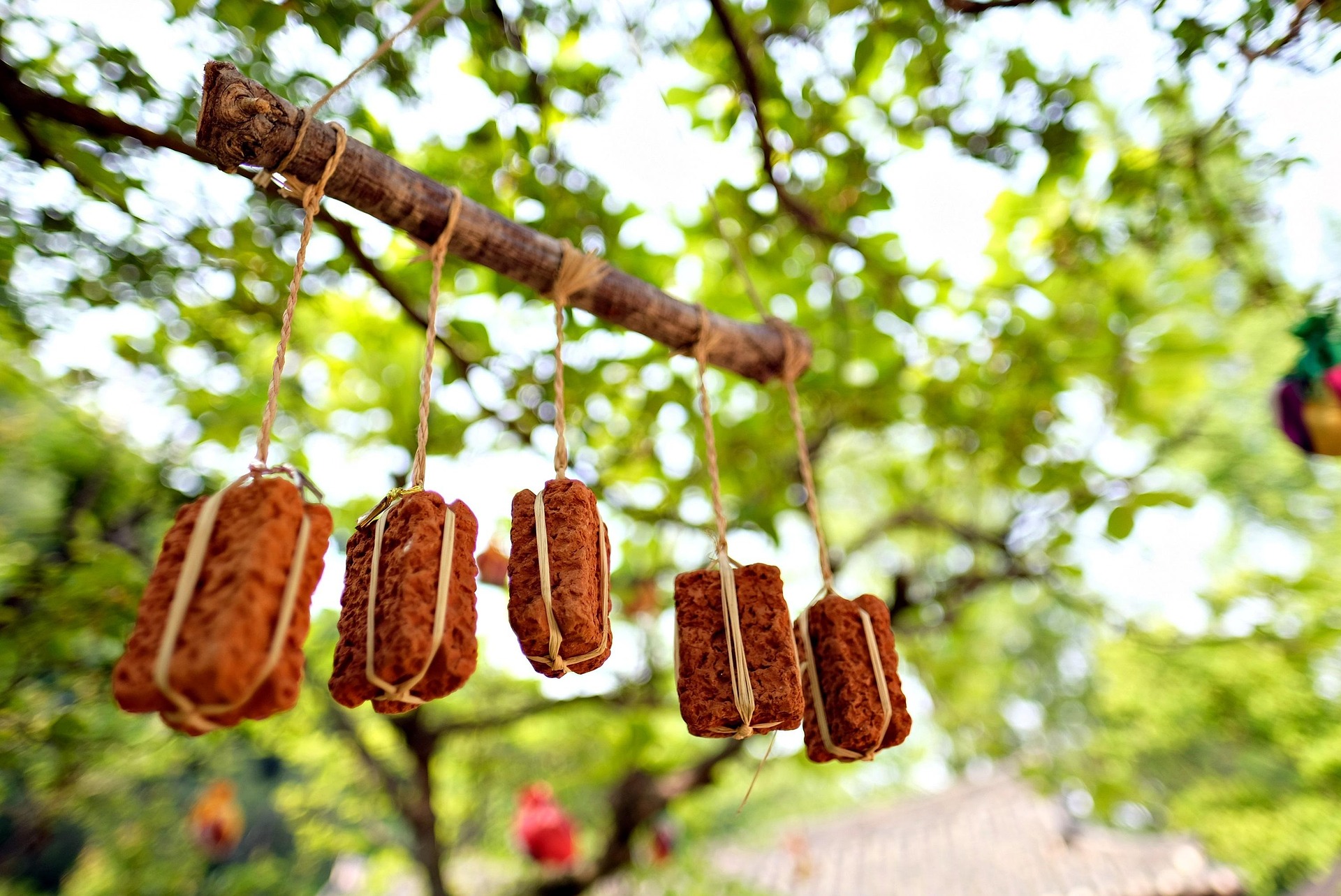
This dual-product fermentation — one mash, two results — is one of the most elegant systems in traditional Korean food culture. Nothing is wasted. Everything is transformed.
The Meju Difference
Miso is made with koji — a controlled mold culture applied to grain, typically rice or barley, which is then mixed with cooked soybeans. The process is precise, reproducible, and relatively fast. Doenjang’s meju uses no such shortcut. The fermentation is entirely wild, driven by whatever microbial life the environment provides. Different regions, different seasons, different hands — the result shifts every time.
The aging compounds this further. Traditional doenjang is aged for months, often years. Some family jars run for decades. Time builds layers of flavor that no accelerated process can replicate — amino acid depth, a low-grade funk, a savory complexity that reads almost meaty in its finish.
Behind the Bar
The savory register is doenjang’s most obvious bar application — and the most underused. A small amount dissolved in warm water produces a fermented umami wash that can be used to rinse a glass, dilute a spirit, or build a base for a savory long drink. The funk is present but not aggressive when handled correctly.
It pairs naturally with aged spirits — whisky, aged rum, dark soju. The Maillard-driven depth of barrel aging and the amino acid complexity of long-fermented doenjang share a common flavor logic. They don’t clash. They resonate.
It also works as a seasoning agent in drink design — the way a chef uses it in the kitchen. A doenjang-washed glass under a clean spirit build adds a layer of depth without announcing itself. The guest tastes something interesting. They don’t necessarily know why.
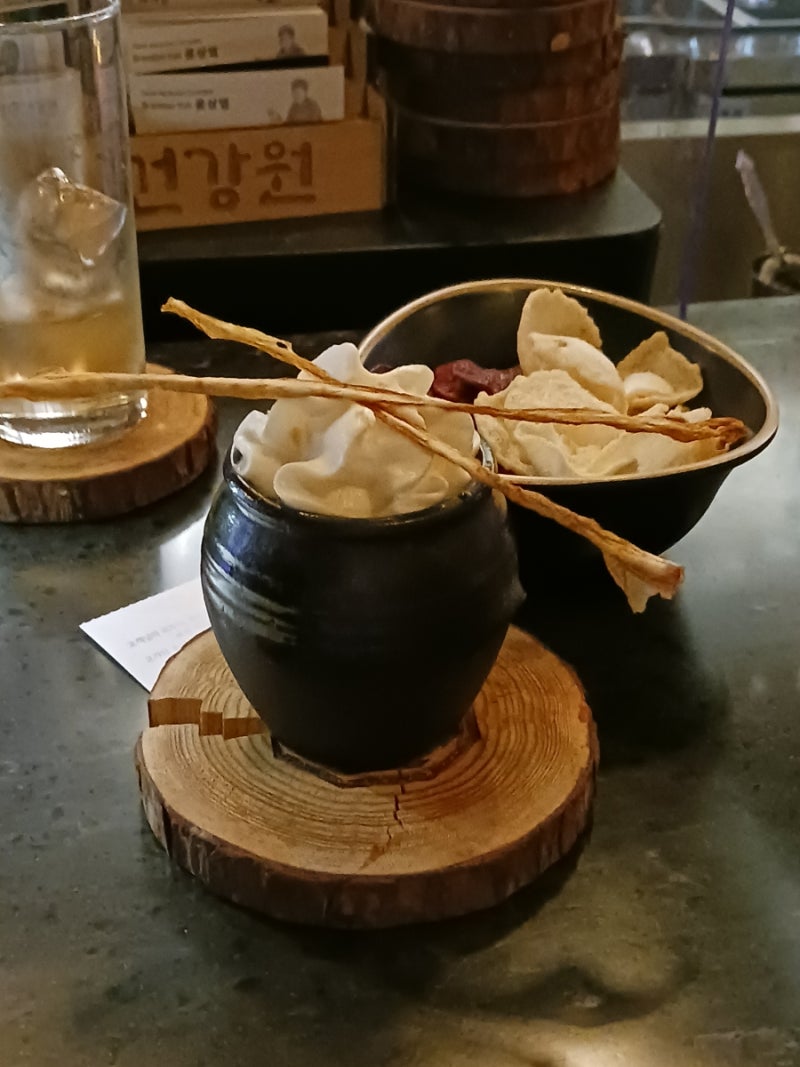
from Here —Cocktail by Bar Jangsaeng Healthy Seoul
Why Now
Gochujang made it first — onto global menus, into serious kitchens, into the food media conversation. Doenjang is next, and the case is even stronger. Where gochujang offers heat and sweetness, doenjang offers something harder to manufacture: time. Years of fermentation compressed into a spoonful. That’s not a condiment. That’s an ingredient with a story.
Related: Gochujang Behind the Bar — Cheongju: Not Sake. Better. — Nuruk: The Fermentation Engine