 Grey Folio
Most bartenders working with citrus have a vocabulary built around four fruits: lemon, lime, orange, grapefruit. Yuzu arrived in that vocabulary over the past decade, driven by Japanese culinary influence. Hallabong hasn’t arrived yet. That’s the gap this note is about.
What Hallabong Actually Is
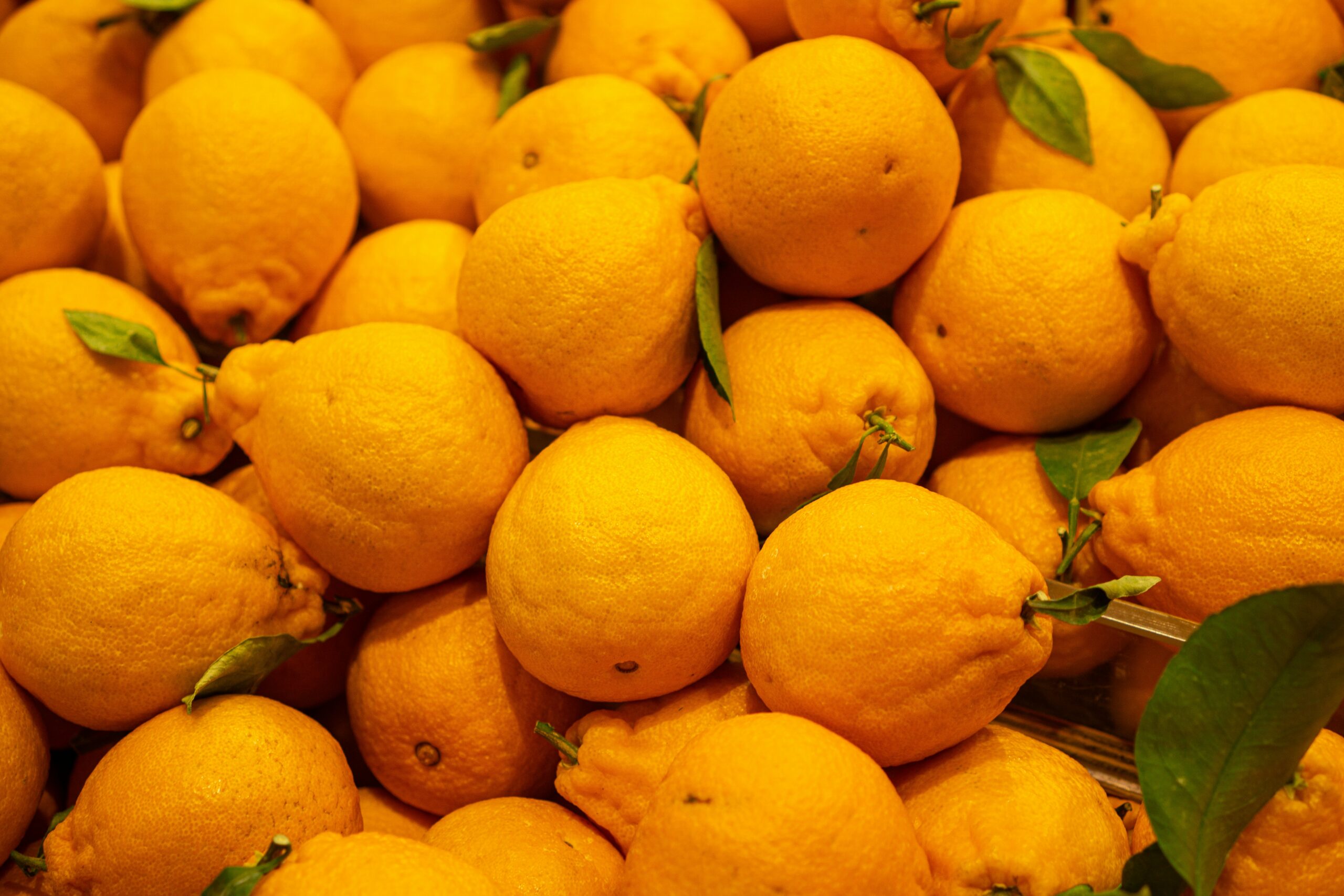
Hallabong (한라봉) is a hybrid citrus developed in Japan in 1972 — a cross between Kiyomi tangor and Ponkan mandarin. In Japan it’s called Dekopon; in the US it’s sold as Sumo Citrus. Korea renamed it Hallabong after Hallasan, the volcanic mountain that dominates Jeju Island, whose peak the fruit’s distinctive top knot resembles.
The name change isn’t merely cultural. Jeju’s volcanic basalt soil, subtropical climate, and specific growing conditions produce a Hallabong with flavor characteristics that Korean consumers can identify in blind tastings. Jeju Hallabong carries protected designation status — the citrus equivalent of Champagne or Parmigiano-Reggiano. The fruit grown in Japan, Brazil, or California under different names is the same variety, but not the same fruit.
Harvested between December and February, Hallabong undergoes a 20–40 day post-harvest curing period in which citric acid levels drop while sugar concentrates. Only fruit with Brix above 13° and acidity below 1.0% qualifies. This curing process is not incidental — it is the mechanism that produces the flavor profile Hallabong is known for.
The Flavor Profile: What Makes It Different
The compound profile of Hallabong peel is dominated by d-Limonene at 96.98% — the same compound that defines orange and lemon peel aroma. But Hallabong’s additional volatile compounds, including cis-β-ocimene, valencene, and β-farnesene, create a distinct aromatic register that sits apart from any of its relatives.
In practical terms: Hallabong is explosively sweet — sugar levels regularly exceed 13° Brix, with exceptional fruit reaching 15° — but it doesn’t become cloying. The residual acidity after curing is low but present, providing just enough counterpoint to keep the sweetness moving. The aroma is intensely citrus but warmer and rounder than lemon or yuzu. Less electric, more enveloping.
The comparison that makes most sense to a bartender: if yuzu is a fragrance ingredient — sharp, volatile, precise — Hallabong is a flavor ingredient. Yuzu announces itself immediately and dissipates. Hallabong settles in and stays.
Hallabong vs. The Citrus Vocabulary Bartenders Already Have
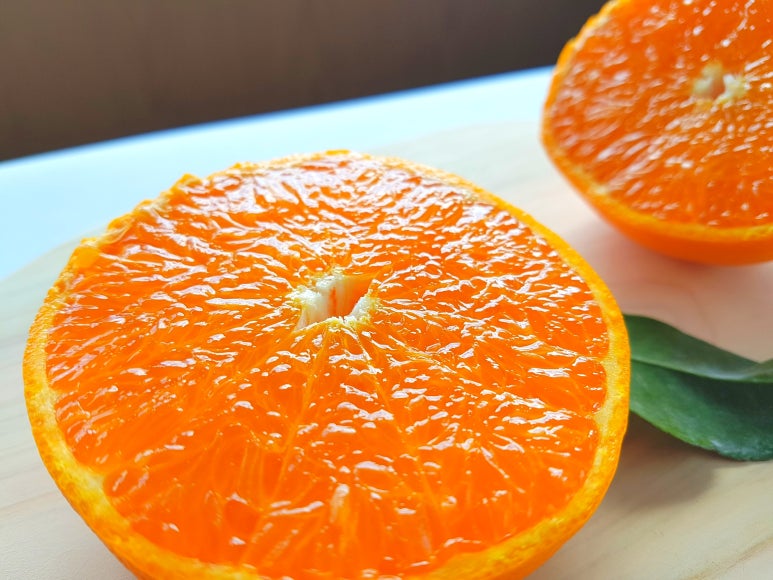
vs. Orange — Hallabong is sweeter and more aromatic than a standard navel or Valencia, with less of the bitter pith character that orange zest brings to a build. Where orange adds brightness and mild bitterness, Hallabong adds sweetness and floral warmth without the edge.
vs. Mandarin/Tangerine — The closest relative, but Hallabong’s cured sweetness is more concentrated and the aroma more developed. Standard mandarins read as straightforwardly sweet and slightly flat. Hallabong has layered aromatic complexity that mandarins don’t.
vs. Yuzu — The most important distinction for drink design. Yuzu is all top notes — aromatic, volatile, designed for cold applications where those notes bloom. Hallabong’s flavor sits deeper, less in the nose and more in the palate, and it sustains through heat in a way yuzu doesn’t. A warm application that would destroy yuzu’s character will work with Hallabong.
vs. Yuja-cheong — Yuja-cheong (preserved yuzu) and Hallabong-cheong occupy similar roles in Korean beverage culture — both are sweet citrus preparations used for tea and drinks. The difference: yuja-cheong has more aromatic complexity and sharper acidity; Hallabong-cheong has more sweetness and a rounder, more honeyed character. They are not interchangeable.
from this blog
Forms and Preparations
Fresh Hallabong is a winter fruit — December to February. Outside Korea and Japan, it’s accessible in this form as Sumo Citrus, now stocked at Whole Foods and specialty grocers in the US. This is the same variety but not identical in flavor to Jeju-grown fruit.
For year-round bar use, three preparations are relevant:
Hallabong-cheong — equal parts fresh Hallabong and sugar, layered and preserved over weeks. The same logic as yuja-cheong. Results in a honeyed, sweet-citrus syrup with rounded aromatics. Functions as both sweetener and citrus flavoring simultaneously. Available commercially from Korean producers; also straightforward to make with Sumo Citrus when fresh fruit is available.
Hallabong juice — higher sugar content and lower acidity than orange juice. Needs recalibrating in builds designed for OJ. The sweetness does more work; the acid does less. Adjust accordingly.
Hallabong vinegar — a growing category from Jeju producers. The fermentation of Hallabong into vinegar preserves the citrus aroma while adding acidity that the fresh fruit lacks. A useful tool for builds where citrus flavor is wanted but juice sweetness isn’t.
from Zest
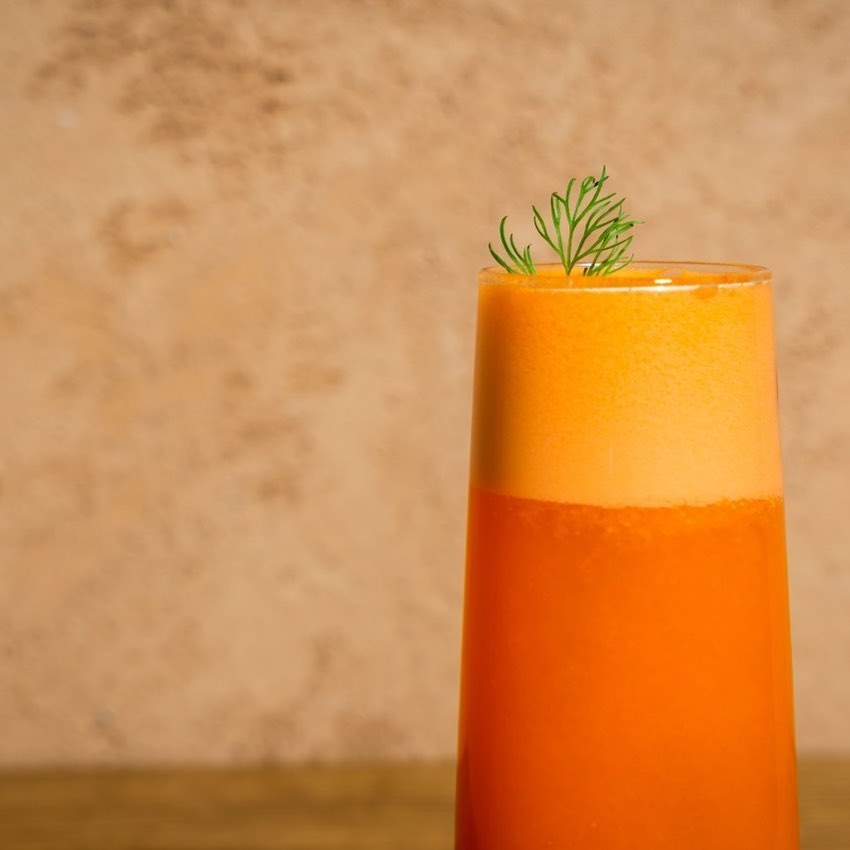
Jeju Garibaldi — Signature Cocktail
Behind the Bar: Who’s Already Working With It
At Zest in Gangnam — Asia’s No. 2 bar in 2025 — the Jeju Garibaldi highlights Hallabong alongside Gujwa village carrots. The Garibaldi is a Campari and orange juice build; the Hallabong version replaces standard OJ with Jeju citrus, shifting the drink’s sweetness profile and introducing Jeju terroir directly into a classic frame. At Zest, ingredient sourcing is part of the drink’s argument — the Hallabong isn’t there because it’s exotic but because it’s better for this specific build.
In New York, Musaek — a Korean cocktail bar in Koreatown — uses Jeju citrus across its menu. Their Strawberry & Hallabong combines Hallabong with basil, vanilla sugar, and vodka, as part of an all-clarified cocktail program. The clarification process strips color while preserving flavor; Hallabong’s aromatic depth survives it in a way that more volatile citrus might not.
Hondi Ju winery on Jeju Island produces Guigam — a citrus brandy distilled from Hallabong. At table strength, fragrant and smooth, it represents what happens when Hallabong is taken through to distillation rather than preservation. The spirit retains the fruit’s character in concentrated form. For bartenders, it’s a reference point for understanding how the flavor transforms across different processing methods.
Flavor Pairing Logic
Distilled soju — Hallabong’s sweetness and the clean grain character of rice-based soju are a natural pairing. The citrus rounds the spirit without competing; the spirit’s dryness keeps the sweetness from reading as cloying.
Campari and bitter aperitifs — the Garibaldi logic. Hallabong’s sweetness and floral depth pair well with the bitter-orange character of Italian aperitifs. The combination reads as more complete than standard orange juice in the same build.
Gin — floral, botanical gins work better than heavily juniper-forward expressions. Hallabong’s warmth and sweetness can get lost against aggressive juniper; it integrates more naturally with citrus-forward or floral botanical profiles.
Makgeolli — Hallabong’s sweetness and makgeolli’s lactic acidity create a balanced pairing. The citrus provides brightness; the makgeolli provides texture and fermented depth. Together they cover a wider flavor range than either achieves alone.
Rum — aged light — the warmth of Hallabong and the vanilla-caramel register of a light aged rum have natural affinity. The combination is approachable and easy to build around.
Avoid — heavily peated Scotch, high-tannin red wine. Hallabong’s sweetness reads as cloying against dominant tannin or smoke. And be careful with additional sweeteners — the fruit does a lot of sweetening work already.
A Note on Seasonality and Access
The most honest thing to say about Hallabong for a bar program outside Korea: fresh fruit is seasonal and the Jeju-grown version is difficult to source internationally. Sumo Citrus is the accessible substitute — same variety, different terroir. The flavor difference is real but not disqualifying.
For year-round programs, Hallabong-cheong is the practical answer. It’s increasingly available from Korean food importers, and it preserves the essential character of the fruit in a stable, usable form.
The bars doing serious work with Jeju citrus are, for now, mostly in Korea. But the ingredient itself — Hallabong-cheong, Sumo Citrus, Hallabong vinegar — is accessible internationally, sitting on shelves and in import catalogues that most bartenders outside Korea haven’t looked at yet. The flavor profile is distinctive, the competition on bar menus is essentially zero, and the pairing logic is straightforward once you understand what you’re working with. The window to be early is still open.
Related: Yuzu vs. Yuja — Omija: The Korean Berry Bartenders Need to Know — Soju, Reconsidered