 Grey Folio
Gochujang gets called a hot sauce. This is the first mistake.
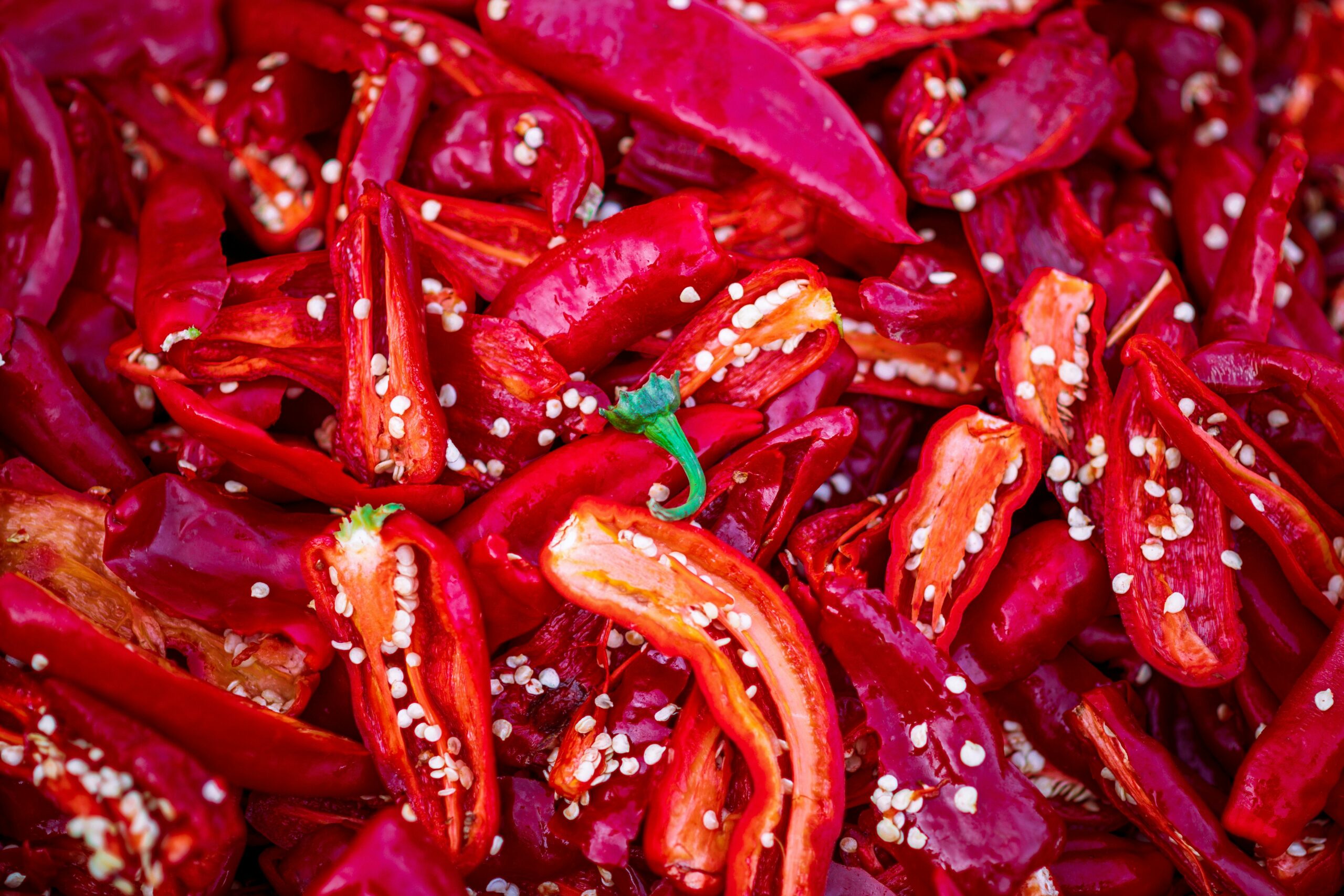
Hot sauces are vinegar-forward, thin, and designed to deliver a single sensation — heat — quickly and cleanly. Gochujang does something fundamentally different. It is thick, fermented, and built from four distinct components: gochugaru (Korean red pepper flakes), glutinous rice, meju (fermented soybean blocks), and salt. Traditional versions ferment for six months to two years. The result is not a hot sauce. It is a flavor system.
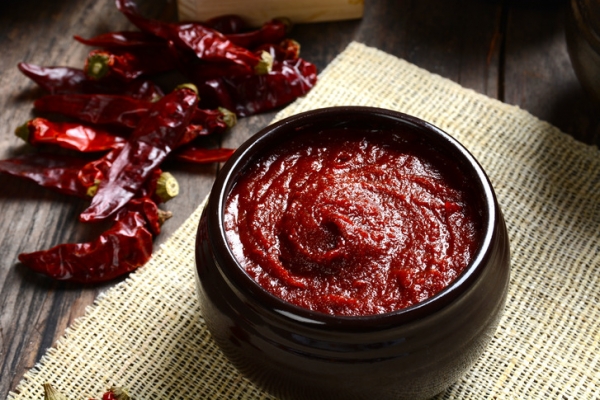
from this
Understanding this distinction is the prerequisite for using gochujang well in a drink program. Bartenders who reach for it as a spice delivery mechanism will produce drinks that are hot in a blunt way. Bartenders who understand it as a fermented paste — with body, sweetness, umami, and a subtle lactic note running underneath the heat — will find it to be one of the more versatile tools currently available in the fermented pantry.
What Gochujang Actually Is
The fermentation in gochujang is driven by the same microbial logic as other Korean jang (장) — the family of fermented pastes and sauces that includes doenjang and ganjang. Meju, the fermented soybean starter, introduces Bacillus bacteria and beneficial yeasts that break down proteins into amino acids, generating the umami depth that makes gochujang qualitatively different from any non-fermented chili product. Lactic acid bacteria contribute a subtle acidity that runs underneath the heat without announcing itself.
The glutinous rice plays a different role. During fermentation, rice starches convert to sugars — creating a natural sweetness that integrates with the capsaicin rather than competing with it. This is why properly made gochujang does not read as simply hot. The heat builds gradually, is buffered by sweetness, and resolves into a long savory finish. Traditional fermentation lasting twelve to twenty-four months develops over one hundred distinct aroma compounds — including esters that contribute fruity notes and aldehydes that add a faint nuttiness.
Commercial gochujang accelerates this process to weeks, sacrificing much of the complexity. The practical difference for a bartender: premium, traditionally fermented gochujang will behave differently in a build than a supermarket version. The heat is more integrated, the sweetness is more natural, and the fermented depth is more present.
What It Does in a Glass
The most useful frame for working with gochujang in drinks is not “spicy ingredient” but “fermented sweetener with heat.” This reframing changes which builds it belongs in and how much to use.
Viscosity. Gochujang adds body to a drink in a way that liquid sweeteners cannot. Dave Park, chef and bar program creator at Jeong in Chicago, describes it directly: gochujang “adds body and richness to a cocktail; the viscosity stays thick, even more so than a traditional syrup.” In a shaken sour, a gochujang syrup — made by combining the paste with water and sugar — gives the drink a texture that egg white would provide, without the egg white.
Heat without aggression. Gochujang’s capsaicin registers at 2,500–4,000 Scoville units — milder than cayenne (30,000–50,000 SHU). The heat is present but not dominant, which makes it workable in a range of drink styles where a higher-heat chili ingredient would overwhelm.
Umami as structure. The fermented soybean component in gochujang generates glutamates — the same compounds responsible for umami in miso, doenjang, and aged cheese. In a drink build, this umami functions as a structural element, adding depth and length to the finish without adding obvious savory flavor. It is the difference between a drink that tastes complete and one that tastes thin.
Three Applications Worth Knowing
1. As a sour sweetener
The most straightforward application. A gochujang syrup — the paste blended with water and simple syrup or honey — functions as a sweetener in any sour build while contributing heat, body, and fermented depth that a plain syrup cannot.
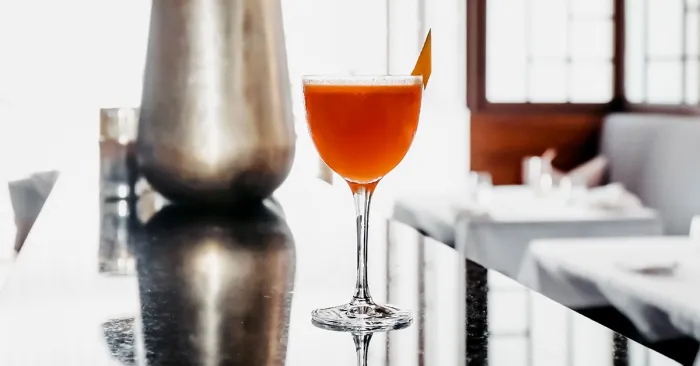
At Jeong in Chicago, Park uses a gochujang syrup in a build with gin, raspberry liqueur, lime juice, and calamansi syrup — a drink designed to “utilize a Korean ingredient and showcase it as the star.” The raspberry and calamansi handle the fruit-forward brightness; the gochujang handles the structure underneath. At Mr. Susan in Berlin, Susan Choi uses the same logic in a gochujang Paloma: tequila, gochujang syrup, rice vinegar, and grapefruit. The rice vinegar is key — it adds tartness that balances the paste’s smoke and helps soften the texture for easier incorporation.
2. As a fermented modifier
Beyond syrups, gochujang can be used to infuse spirits directly — particularly those with earthy or smoky profiles. A gin infused with gochujang yields a base with spiced, fermented complexity that works in stirred builds where the gochujang’s heat is absorbed by the spirit’s botanical structure.
3. As a dessert element
Alice Cheongdam — ranked No. 13 on Asia’s 50 Best Bars 2025 — uses gochujang in an entirely different register. Their Okie Dok cocktail combines soju, strawberry gochujang, rice ice cream, and walnut, served in a glass shaped like a jangdok (Korean earthenware jar). Here gochujang’s sweetness and fermented depth anchor a dessert-style build; the strawberry version softens the heat further and adds a fruit layer that sits naturally alongside the rice base.
A Practical Note on Form
Gochujang is not interchangeable across brands. The heat level, sweetness, and fermented depth vary significantly between producers and between traditional and commercial versions. Before building a spec, taste the specific product you are working with.
A regional note worth knowing: Andong gochujang is darker and more intensely fermented, with stronger umami and less sweetness. Sunchang gochujang — from Korea’s most historically significant gochujang-producing region — is considered the benchmark for traditional style. Both will behave differently in a build than a standard commercial product.
For bar applications, a honey-based gochujang syrup — rather than simple syrup — adds a floral and spiced note that complements the paste’s existing complexity. Brandon Sass, general manager at Young Joni in Minneapolis, uses this approach in his Rubber Soul cocktail: gochujang-honey syrup, tequila, ginger cordial, lemon juice, and Lapsang souchong tea. The Lapsang’s smoke extends gochujang’s natural smokiness; the honey rounds the finish.
The Jang Question
Gochujang is one of three primary jang in Korean cuisine — alongside doenjang (fermented soybean paste) and ganjang (soy sauce). All three are products of the same fermentation tradition; all three carry umami depth, fermented complexity, and a connection to the same microbial community that produces nuruk.
The global bar conversation around fermented ingredients has spent several years on miso, koji, and kombucha. The jang family represents a parallel tradition that is older, more diverse, and — from a flavor design perspective — arguably more complex. Gochujang is the most accessible entry point, both because of its visual drama and because its heat gives bartenders an immediate, legible signal that something different is happening in the glass.
Doenjang and ganjang are the next conversation. But they require a different approach — and a different note.
Related: What Nuruk Actually Does — In the Brewery and Behind the Bar — Makgeolli, Reconsidered — Soju, Reconsidered
[addtoany]