 Grey Folio
Same fruit. Different story.
Yuzu and yuja are the same citrus — Citrus junos, a cold-hardy hybrid of mandarin orange and ichang papeda, originating in central China and cultivated across East Asia for over a thousand years. The names are simply Japanese and Korean for the same thing.
And yet, for a drink designer working with this ingredient, treating them as interchangeable is a mistake — not botanically, but culturally and practically. The fruit that arrives in a Japanese kitchen and the fruit that arrives in a Korean one have been processed, preserved, and applied through entirely different culinary logics. That difference changes what you’re actually working with.
What the Fruit Actually Is
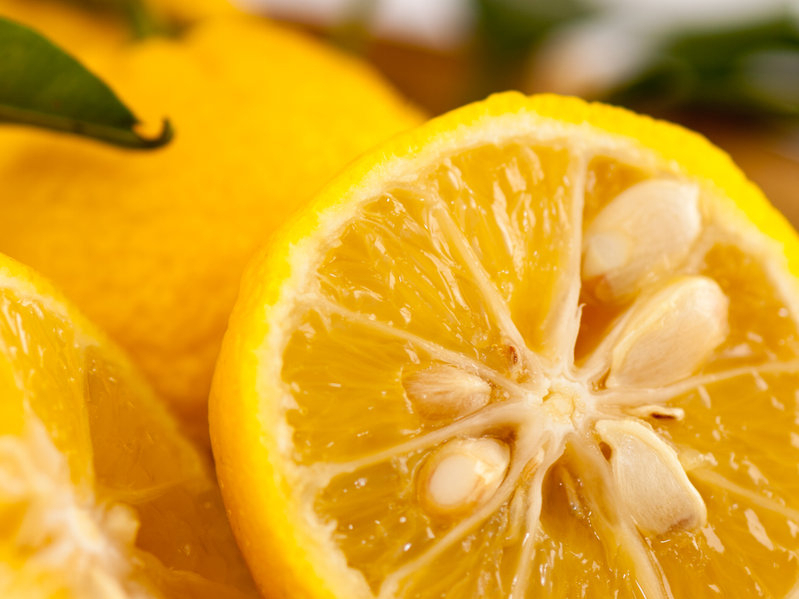
Yuzu is small — roughly tangerine-sized — with thick, bumpy, intensely aromatic skin. The juice yield is low, the seeds are numerous, and the flesh is not eaten fresh. What the fruit offers instead is a flavor profile that sits in a category of its own: the brightness of lemon, the bitterness of grapefruit, the floral lift of mandarin, and an herbal, almost piney quality that no other citrus replicates.
The aroma is the primary asset. Yuzu’s volatile compounds — limonene, γ-terpinene, and citral, among others — are exceptionally fragrant and exceptionally fugitive. They dissipate quickly with heat. They bloom dramatically in cold preparations and in fat-washed applications. Understanding this is the foundation of working with the fruit.
How Japan Uses It: Precision and Perfume
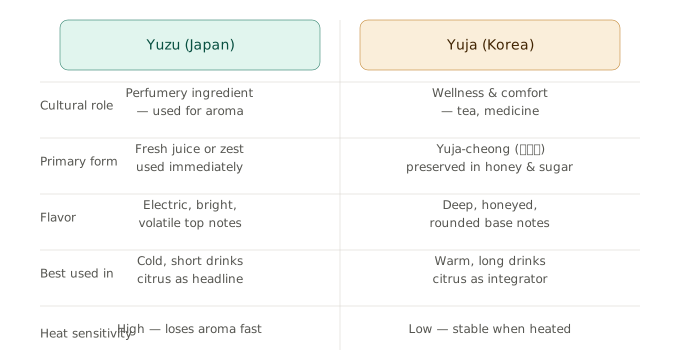
In Japanese culinary culture, yuzu is treated as a perfumery ingredient. It is used sparingly — a few drops of juice in dashi, a strip of zest over chawanmushi, a squeeze over sashimi — because the goal is aromatic lift, not citrus flavor per se. The fruit’s volatile top notes are the point. Japanese yuzu products — from the juice to yuzu kosho to commercial yuzu liqueurs — are designed to preserve and project those top notes as faithfully as possible.
This is the yuzu that international bartenders first encountered — through Japanese restaurants, through the cocktail menus of Tokyo’s best bars, through the global spread of Japanese culinary influence. It is yuzu as a precision tool: bright, electric, transparent.
How Korea Uses It: Warmth and Preservation
In Korean culinary culture, yuja enters a different logic entirely. The dominant preparation is yuja-cheong (유자청) — a marmalade made by slicing the fruit, combining it with sugar and honey, and allowing it to preserve over weeks or months. This is not a fresh application. It is a transformation. The top notes that Japanese cuisine works to preserve are, in Korean preparation, softened and rounded by the preservation process. What emerges is deeper, warmer, more honeyed — and considerably less volatile.
Yuja-cha (유자차) — the hot tea made from yuja-cheong dissolved in water — is a winter staple and a wellness drink. The cultural weight of yuja in Korea is comfort, warmth, and medicinal care. This shapes how Korean producers process and market the fruit, and how Korean chefs and bartenders reach for it instinctively.
The Flavor Difference in Practice
For a bartender or drink designer, the practical difference comes down to this:
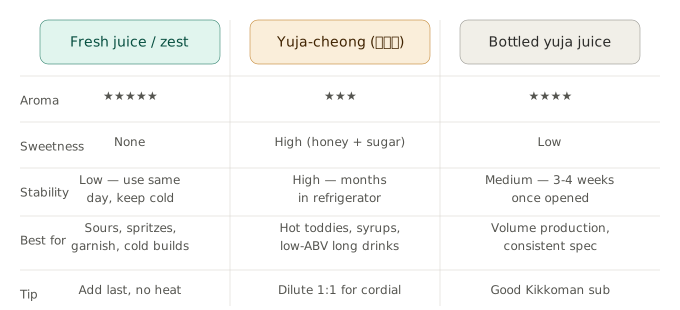
Fresh yuzu juice or zest — maximum aromatic volatility. The top notes are present and powerful. Best in cold preparations, short drinks, and applications where the citrus is the headline. Pairs brilliantly with distilled soju, gin, and sake. Use it as you would use a premium fragrance ingredient: sparingly, at the last moment, protected from heat.
Yuja-cheong — a preserved, sweetened preparation with rounded, honeyed citrus depth. The volatility is reduced; the base notes are more present. Better in warm applications, longer drinks, and builds where you want citrus to integrate rather than announce itself. Its sweetness means it functions as both acid and sweetener simultaneously — a single-ingredient complexity that fresh juice cannot replicate.
Korean bottled yuja juice — a middle ground. Processed but not as heavily sweetened as cheong. More stable than fresh, less transformed than preserved. Useful for volume production where fresh fruit is impractical.
Why Bartenders Get This Wrong
The confusion arises because “yuzu” has become a global flavor shorthand — a menu word that signals “sophisticated East Asian citrus.” Bartenders reach for it without distinguishing between fresh juice, cheong, bottled Korean yuja, or commercial yuzu liqueur. Each of these behaves differently in a build. Using yuja-cheong where fresh juice is needed produces a drink that is sweet and muffled where it should be bright and electric. Using fresh yuzu where warmth and depth are needed produces brightness without weight.
The distinction is not academic. It is the difference between a drink that works and one that almost works.
Practical Starting Points
For brightness and aroma: Fresh yuja juice or zest from a Korean produce market, used cold. If unavailable, Japanese bottled yuzu juice (Kikkoman or Yakami Orchard) is a reliable substitute — not identical, but close.
For depth and sweetness: Yuja-cheong, available at Korean grocery stores. Treat it as a flavored syrup — 1:1 dilution with water gives you a working citrus cordial that requires no additional sweetener in most builds.
For cocktail development: Consider both. A build using a small amount of fresh yuja zest for aroma with yuja-cheong for body and sweetness gives you the full flavor spectrum of the fruit — top notes and base notes simultaneously — in a way that neither product alone can achieve.
Pairing note: Yuja’s lactic-bright character resonates particularly well with distilled soju and with makgeolli. The citrus and the fermented grain share an acidity logic — they speak the same language.
Related: Soju, Reconsidered — Makgeolli, Reconsidered — Nuruk: The Fermentation Engine