 Grey Folio
The Comparison Problem
The cheongju vs sake question comes up every time cheongju lands on a menu outside Korea — someone always calls it sake. It’s understandable. Both are rice wines. Both pour clear. Both sit in that quiet, elegant register that heavier spirits can’t touch. But calling cheongju sake is like calling Burgundy Bordeaux — technically in the same family, fundamentally different in character.
What Cheongju Actually Is
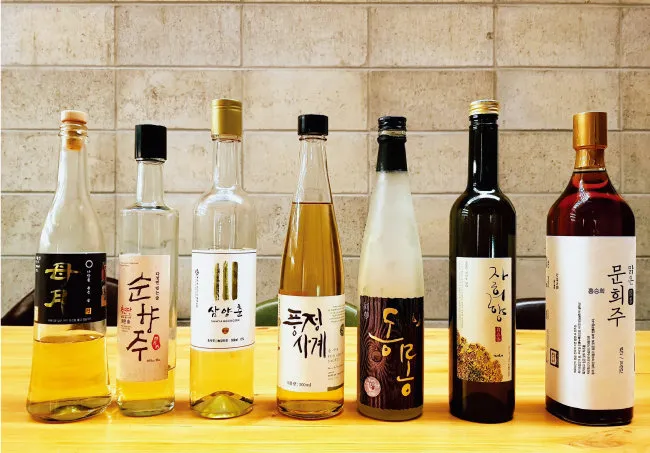
Cheongju — literally “clear liquor” — is Korea’s filtered rice wine. If you’ve encountered makgeolli, you already know its sibling. Where makgeolli is stirred up, cloudy, alive with sediment, cheongju is what rises to the top: the clarified layer, drawn off and refined. Same fermentation vessel, different intention.
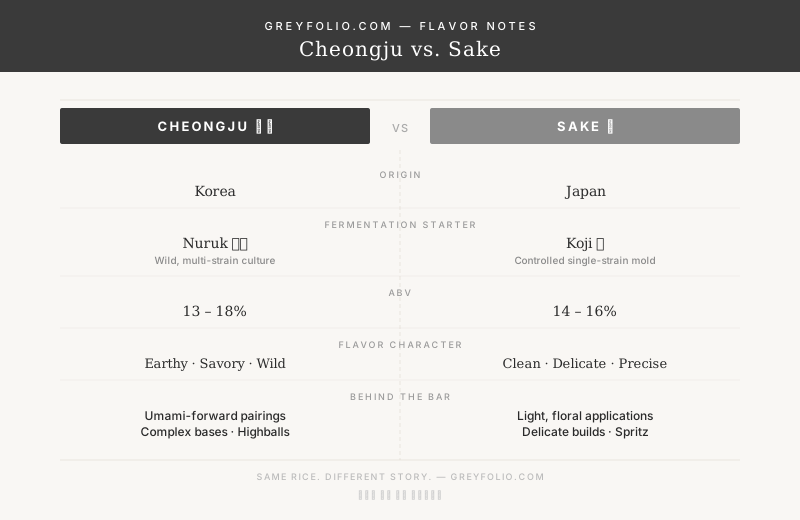
ABV typically lands between 13 and 18 percent — similar range to sake, similar presence in the glass. But the resemblance starts to thin out the moment you smell it.
The Nuruk Difference
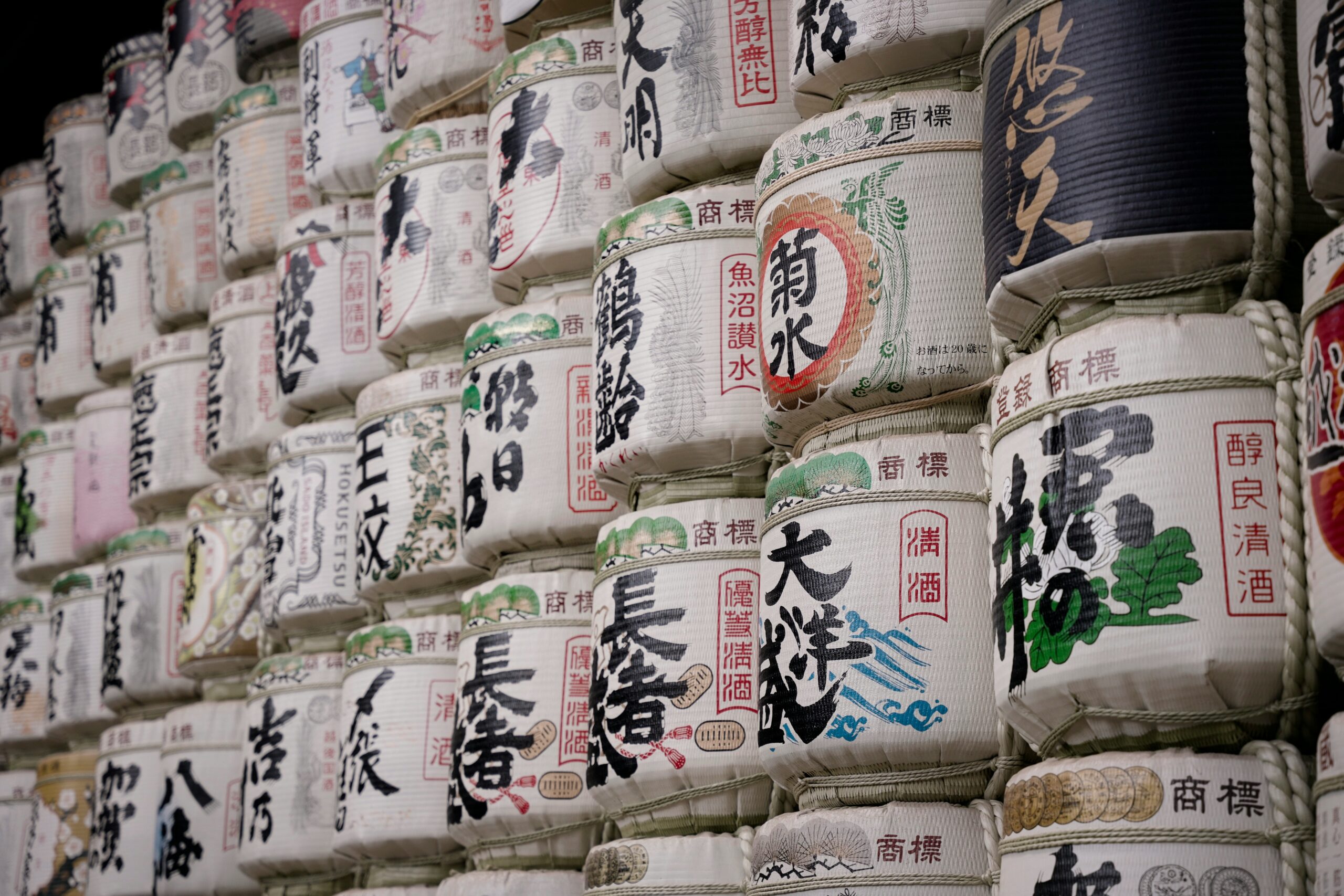
Here’s where cheongju and sake genuinely part ways: the fermentation starter. Sake uses koji — a controlled, single-strain mold (Aspergillus oryzae) cultivated for precision and predictability. Nuruk, the Korean starter used in cheongju, is something wilder. It carries multiple mold species, native yeasts, and bacteria — all working together in a way that no two batches are ever exactly alike.
The result is a ferment with more texture. Earthier. More savory. A faint wildness that sake, by design, tends to suppress. In a glass, cheongju can read almost meaty in its depth — a quality that makes it genuinely interesting to work with behind the bar.
Behind the Bar
The cocktail world has been using sake as a low-ABV, textured base for years. Cheongju does everything sake does — and then offers something more. That nuruk-driven earthiness plays beautifully with umami-forward ingredients: aged soy, miso, mushroom, fermented pepper. It holds up to citrus without disappearing. It rounds out a spirit-forward drink without flattening it.
A cheongju highball — good cheongju, cold sparkling water, a strip of yuzu peel — is one of the most elegant low-intervention drinks you can put in front of a guest. No apology needed. No explanation required.
Why Now
Korean fermentation has been having a long, slow moment in the global conversation — gochujang on restaurant menus, makgeolli in natural wine circles, doenjang in serious kitchens. Cheongju has been quieter. That’s changing.
As bartenders look past sake for fermented rice options, cheongju is exactly what’s next. It has the profile, the versatility, and the story. It just needed someone to stop calling it sake.
Related: Soju, Reconsidered — Makgeolli, Reconsidered — Nuruk: The Fermentation Engine